What the research says about raising kind, calm, brave kids, and what it looks like in your classroom. Every article can be read or listened to, with its references one click away.
Listen or read
· Dr. Russ L'HommeDieu, DPT, C-AAIS and Karen L'HommeDieu, LMSW
Empathy, compassion and self-compassion in disasters
A child does not have to be in a disaster to be hurt by one. Watching is a form of exposure, and empathy with nowhere to go turns into distress or numbness. Here is what the research says about compassion and self-compassion, and what to do before, during and after a disaster.
Social-emotional learning
Compassion
Self-compassion
Disasters and scary news
Ages 4 to 10
Read the article
Listen or read
· Dr. Russ L'HommeDieu, DPT, C-AAIS and Karen L'HommeDieu, LMSW
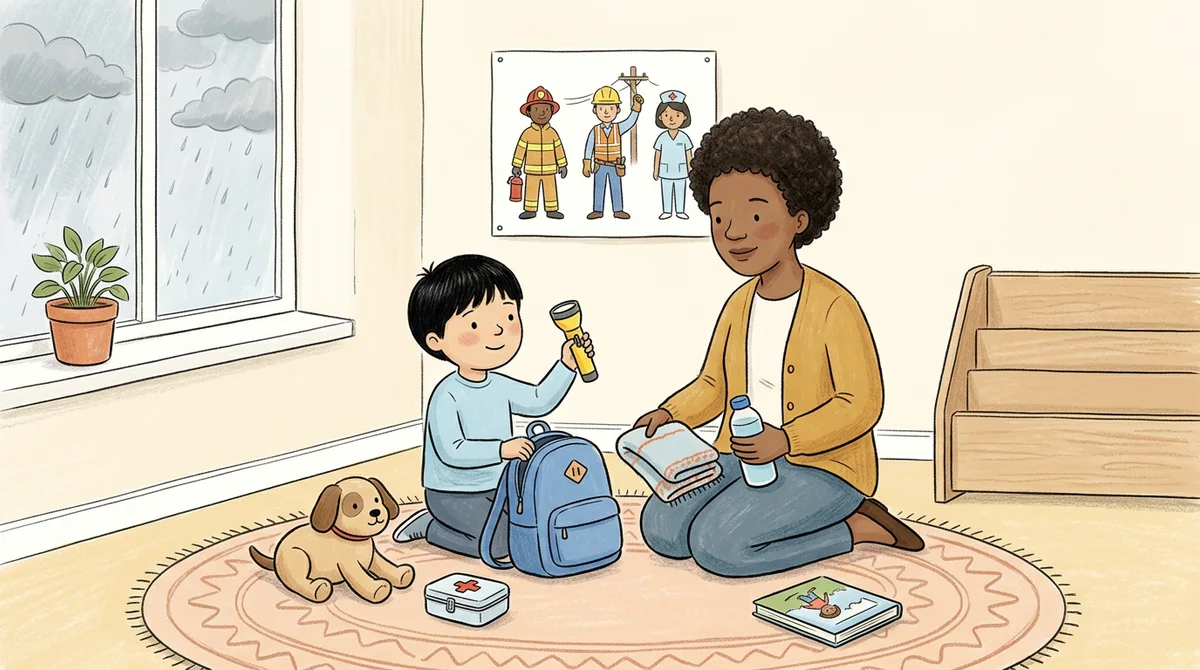
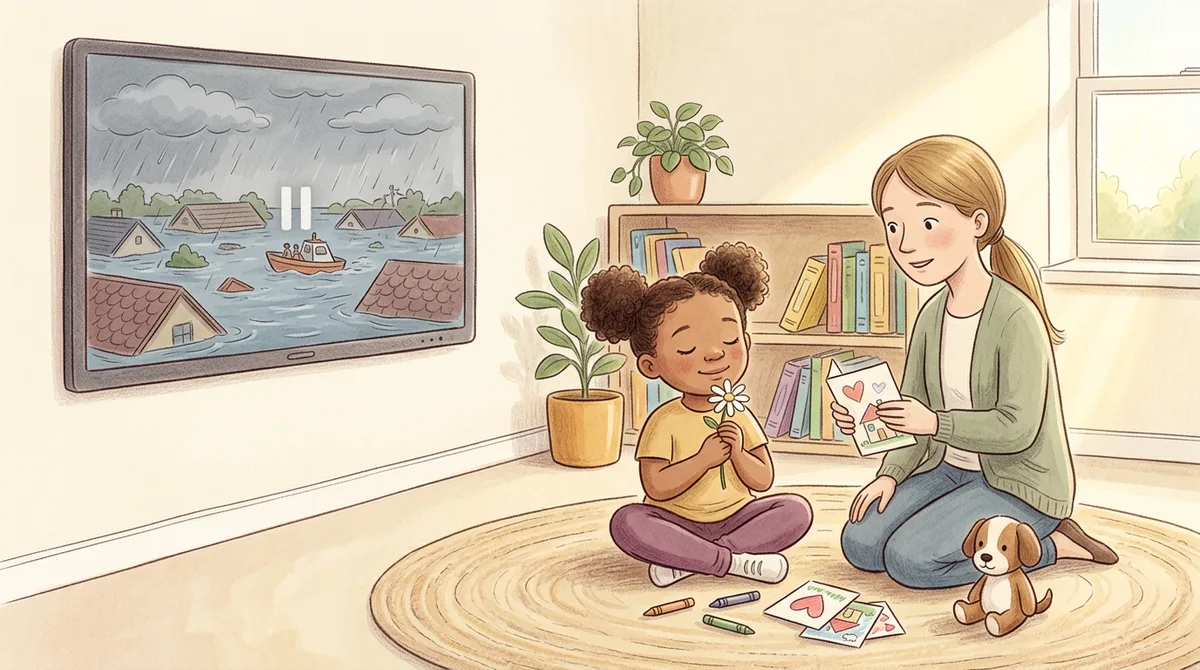
When a big storm or a frightening news story reaches your classroom, children do not need a perfect speech. They need a calm adult who tells the truth in small words, turns down the screen, and shows them who is helping. Here is what the research supports, six practices to try, and the Daisy tools to match.
Social-emotional learning
Storms and scary news
Trauma-informed practice
Family partnership
Ages 4 to 10
Read the article
Listen or read
· Dr. Russ L'HommeDieu, DPT, C-AAIS and Karen L'HommeDieu, LMSW
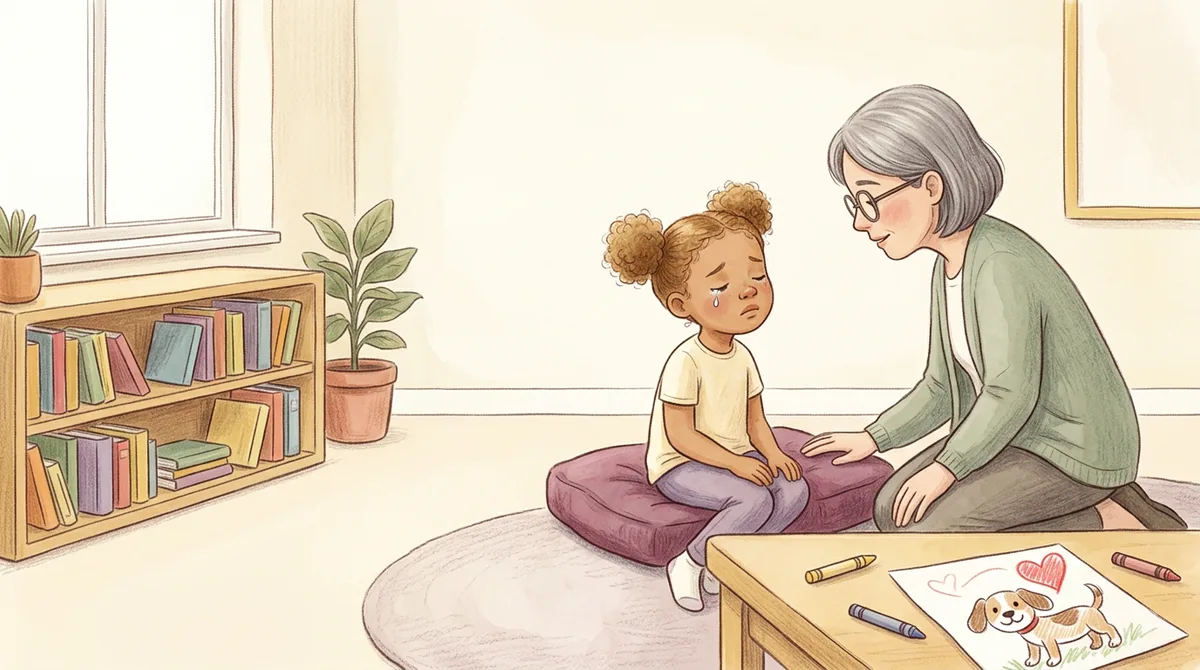
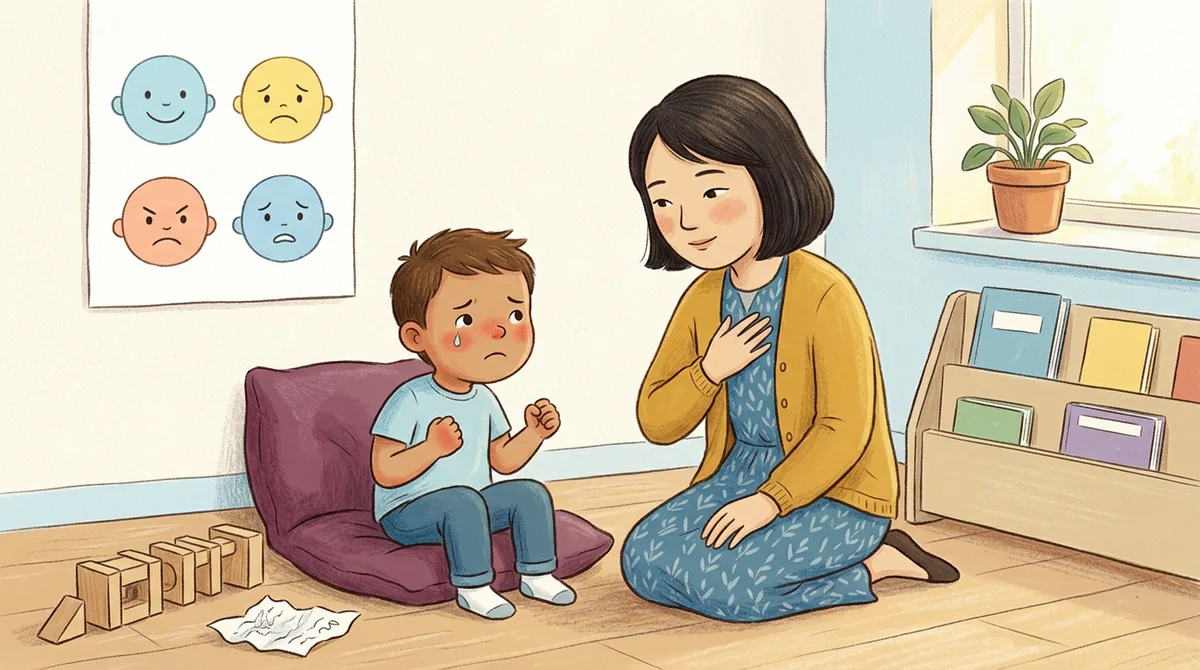
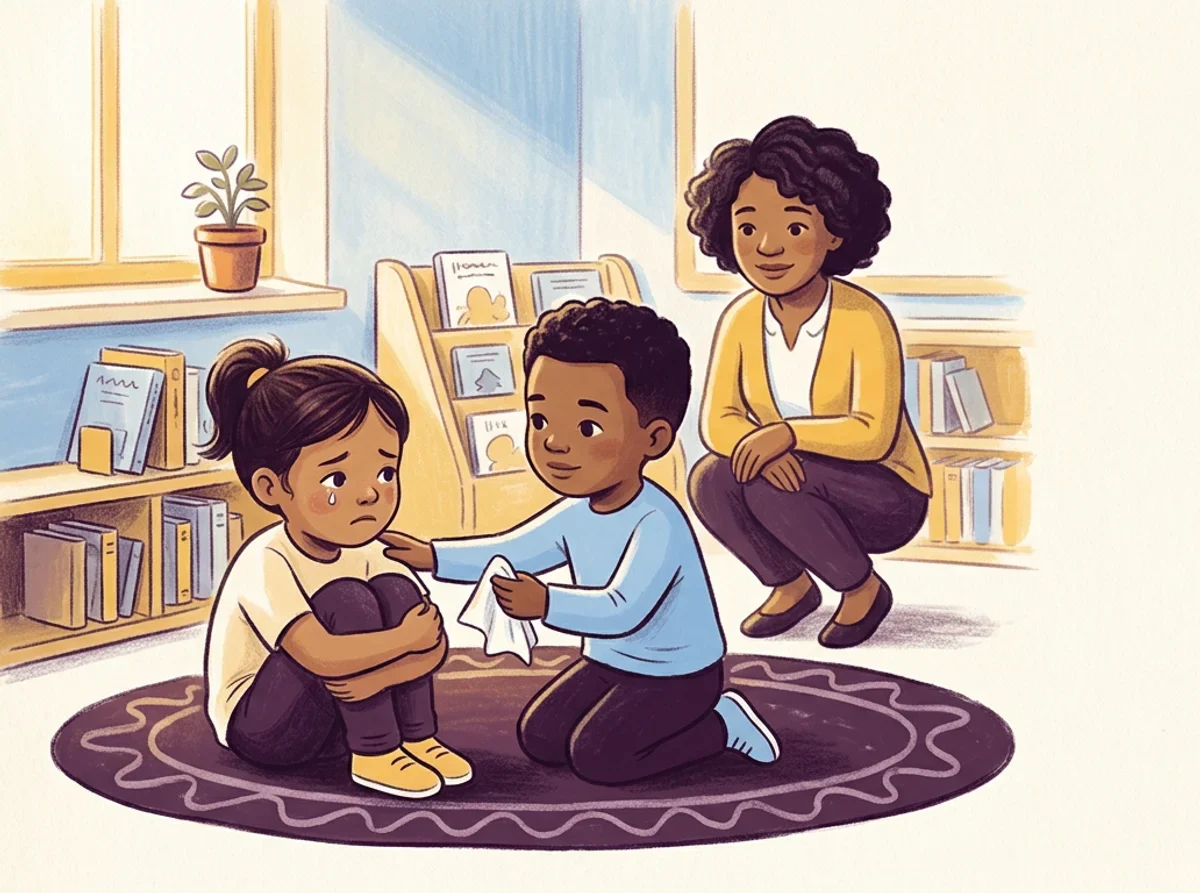
Some children feel another's hurt so strongly that they cannot stop crying. That is empathic distress, not misbehavior. Here is how to help a flooded child in the moment, how compassion practice may help, and the Daisy tools to match.
Social-emotional learning
Empathy
Compassion
Empathic distress
Ages 4 to 10
Read the article
Listen or read
· Dr. Russ L'HommeDieu, DPT, C-AAIS and Karen L'HommeDieu, LMSW
Answering children's questions about disability and difference
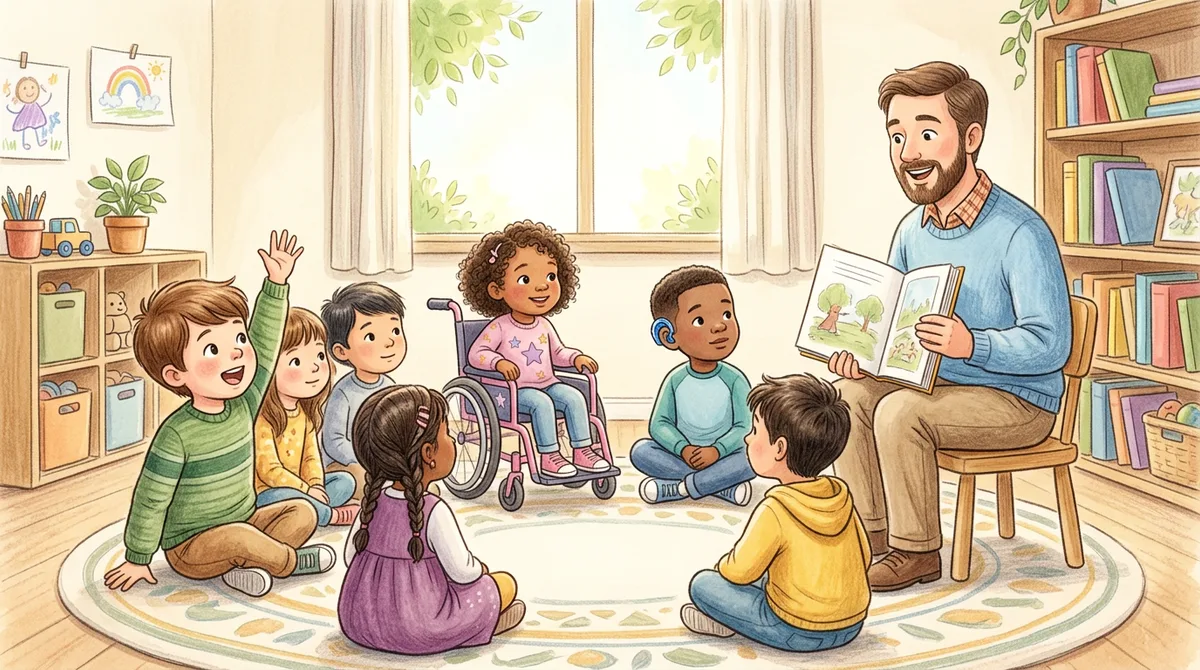
When a child asks about a three-legged dog, a wheelchair or a hearing aid, what the adult does next teaches more than the answer. Here is what the research says about how children understand difference, what changes their attitudes, and how to answer well in your classroom.
Disability and difference
Inclusion
Children's questions
Ages 4 to 10
Read the article
Listen or read
· Dr. Russ L'HommeDieu, DPT, C-AAIS and Karen L'HommeDieu, LMSW
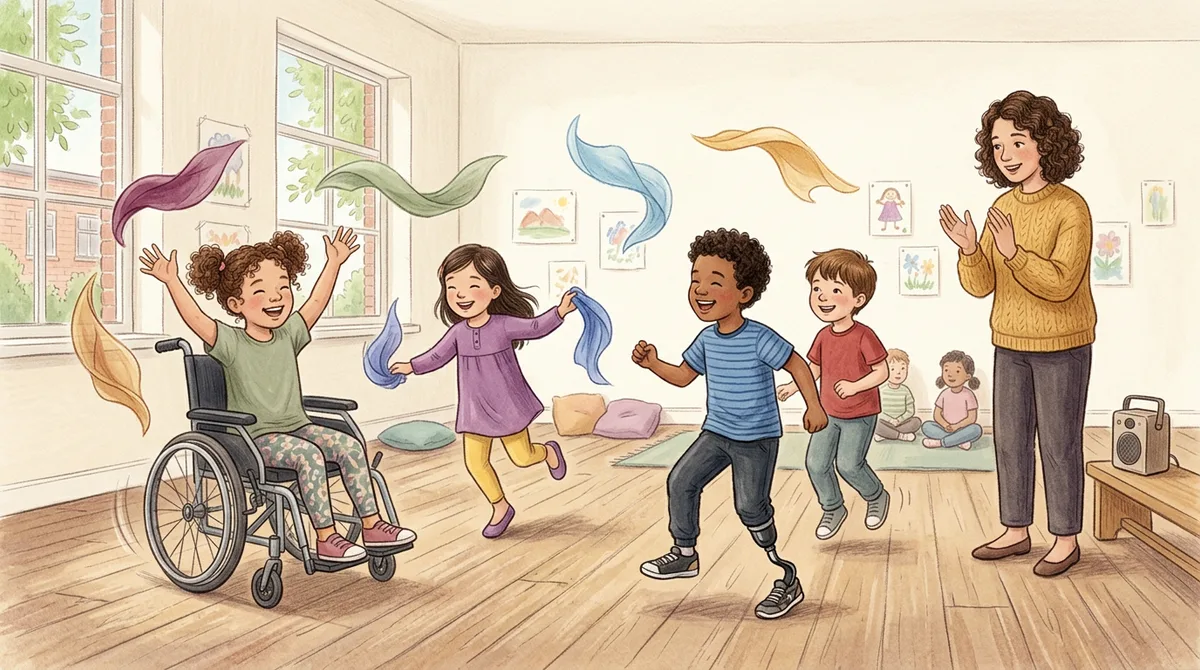
A child with a disability does not exist to inspire the rest of us. Using Paralympian and Dancing with the Stars champion Ezra Frech as an example, here is what it means to treat disability as an ordinary fact, keep belonging and praise separate, and make inclusion the room's job.
Disability and difference
Inclusion
Belonging
Ages 4 to 10
Read the article
Listen or read
· Dr. Russ L'HommeDieu, DPT, C-AAIS and Karen L'HommeDieu, LMSW
We ask young children to "calm down" long before they know how. The research says calm is borrowed from a steady adult before it is owned. Here is what co-regulation looks like in a busy classroom, with six practices and the Daisy tools to match.
Social-emotional learning
Self-regulation
Co-regulation
Ages 4 to 10
Read the article
Listen or read
· Dr. Russ L'HommeDieu, DPT, C-AAIS and Karen L'HommeDieu, LMSW
Why young children need both empathy and compassion
Families are asking for empathy. The research says empathy alone can overwhelm tender-hearted children. Here is how to pair it with compassion, with six classroom practices and the Daisy books to match.

 Listen or read